
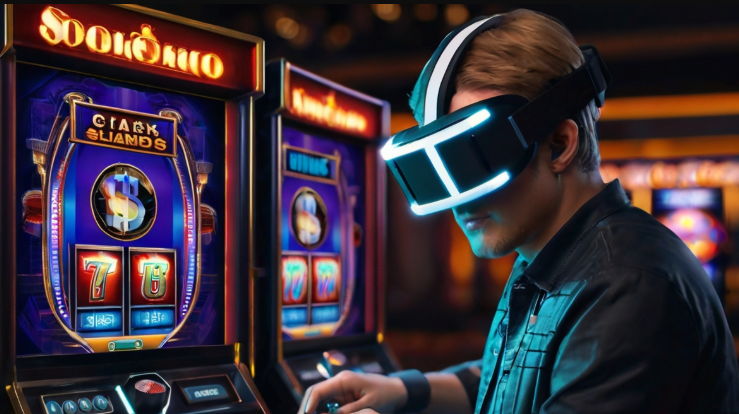
How Slot Machines Transitioned Into the Online Gaming Space

Slot machines started as mechanical devices in the late-19th-century bars, but their journey into the digital world accelerated with the rise of the internet in the 1990s. Many companies adapted the classic spinning reels into software-based games, making them accessible through early online casinos. As they started gaining traction, developers enhanced graphics, sound effects, and themes. This transformed simple replicas into immersive experiences. Mobile technology later pushed slots onto smartphones, while innovations like jackpots and interactive bonus rounds became a dominant force in modern gaming entertainment.
The Origins of Slot Machines
Slot machines date back to the late 19th century, when mechanical gambling devices became popular in American bars and saloons. In 1895, Charles Fey, a San Francisco mechanic, invented the Liberty Bell. The Liberty Bell is considered the first true slot machine, featuring three spinning reels and symbols such as horseshoes and bells. What sets it apart from earlier devices is the automatic payout mechanism. It paved the way for widespread popularity and the evolution of modern casino slot machines.
Slot Machines Become the Heart of the Casino Floor
As casinos expanded throughout the 20th century, slot machines became the centre of the gaming floor. The simple rules, bright lights, and instant payouts attracted many players. The shift from mechanical reels to electromechanical designs in the 1960s offered larger jackpots and more features. By the time video slots emerged in the 1970s and 1980s, casinos were already dedicating more space to these machines. Due to their profitability and broad appeal, they were everywhere. As a result, in today’s society, slots generate a significant share of casino revenue worldwide.
The Transition from Physical Reels to Digital Screens
The transition from physical reels to digital screens has marked a major turning point in slot machine history. Early machines relied on mechanical reels powered by springs and gears, limiting the complexity of gameplay. In the 1960s, electromechanical technology introduced more flexible payout systems and larger jackpots. By the 1970s, fully video-based slot machines replaced spinning reels with digital displays. This allowed developers to add multiple paylines, bonus rounds, and themed graphics.
The Expansion of Slot Machines Online in the Internet Era
The expansion of online slot machines began in the mid-1990s. Early online casinos introduced simple versions of classic three-reel games, allowing you to spin for your home. As technology advanced, developers improved graphics, sound design, and gameplay features, creating more immersive themes and interactive bonus rounds. This phenomenon was further expanded with the rise of smartphones and mobile apps. It made online slots even more accessible, attracting a wider audience.
How Internet Technology Brought Slot Machines Online
Internet technology played an important role in bringing slot machines into the online world. As home internet access expanded, software developers began recreating traditional casino slots in digital form, allowing you to access games through web browsers and downloadable platforms. Random number generator (RNG) software replicated the unpredictability of physical reels, maintaining fairness. With time, faster connections and mobile compatibility transformed online slots into highly interactive, visually rich experiences available anytime and anywhere.
Security, RNG Systems, and Fair Play Standards
Security, RNG systems, and fair play standards are important for the credibility of modern online slot machines. Advanced encryption protects your data and financial transactions from unauthorised access. RNG systems produce random outcomes to ensure each spin is independent and unbiased. Additionally, independent testing agencies regularly audit these systems to verify fairness and compliance with regulatory requirements.
Casino Platforms and the Growth of Slot Machines Online
As land-based venues started adapting to player behaviour, the digital casino experiences became a natural extension of traditional gaming. Now, you can access slots machines online through licensed platforms that replicate the excitement of physical casinos while adding convenience and accessibility. This shift made slot gaming available 24/7, eliminating geographic barriers and introducing you to interactive entertainment.
The Appeal of Online Slots for Casual Gamers
Online slots appeal to casual gamers by offering simple, accessible, and unique entertainment. Unlike table games that require strategy or experience, slots involve straightforward gameplay – just choose a bet and spin the wheel. Slots have colourful themes, engaging sound effects, and interactive bonus features that create an immersive experience without making you feel overwhelmed. Low minimum bets make them budget-friendly, while mobile compatibility allows you to enjoy quick sessions anytime.
Social Features and Community-Based Play
Modern online slots include social features and community-based play, enhancing engagement beyond solo gaming. Many platforms allow you to share achievements, compete in leaderboards, or participate in collaborative events. This approach creates a sense of connection similar to social networks. The experience is further improved by interactive elements, including live chat functions, tournaments, and themed challenges. Platforms like Casino Days showcase how a modern online casino combines accessibility, variety, and social interaction. It shows the remarkable evolution of slot machines from their mechanical origins.
The Evolution of Bonus Mechanics and RTP
According to “Slot Machine Base Game Evolutionary RTP Optimisation”, the base game is the core of the gameplay in slots. The RTP (Return to Player) has shaped modern online slot design. While earlier slots offer simple payouts, with today’s technology, they offer free spins, multipliers, cascading reels, and interactive mini-games. These bonuses enhance the excitement and extend the gameplay, keeping you engaged. The RTP is a percentage that indicates the expected long-term payout. It’s a standard metric for transparency, which helps you make informed choices.
The Introduction of Wilds, Scatters, and Free Spins
The gameplay was further expanded with the introduction of Wilds, Scatters, and Free Spins. Wilds act as substitutes for other symbols, increasing the chances of winning combinations, while Scatters often trigger bonus rounds or multipliers. They also reward you regardless of line positions. Free Spins give you extra opportunities to play additional rounds without betting more. They are sometimes combined with enhanced features for bigger payouts.
Graphics and Sound: From Mechanical Clicks to Immersive Experiences
Early mechanical machines relied on simple reels and audible chimes to signal wins, offering limited sensory engagement. With digital technology, developers introduced vibrant visuals, animated symbols, and themed environments, followed by dynamic soundtracks and soundeffects that respond to the gameplay events. These innovations create a more captivating and emotionally engaging experience, transforming slots from basic mechanical devices into fully immersive digital entertainment, appealing to both casual gamers and seasoned enthusiasts.
Mobile Optimisation and Cross-Platform Design
Mobile optimisation and cross-platform design make online slots more accessible. Games now adapt smoothly to smartphones, tablets, and desktops, preserving visuals and mechanics across devices. You can continue progress, bonuses, and achievements anywhere, anytime. This convenience and flexibility have broadened the appeal of online slots, turning them into a truly player-focused experience.